Chiesa di Santa Maria dei Greci: A Hidden Historical Gem in Agrigento
June 17, 2025

I spent about 45 minutes exploring the intricate layers of history within this small church, carefully examining the Byzantine frescoes and tracing the original Greek columns. The church's location near Valle dei Templi makes it an easy and fascinating stop for anyone interested in Agrigento's rich archaeological landscape.
A hidden architectural time capsule where Greek temple stones whisper stories beneath Christian walls. Discover how centuries of Sicilian history are compressed into a single, unassuming church in the heart of Agrigento.
Need-to-Know Info Before Visiting Chiesa di Santa Maria dei Greci
5+
images
Chiesa di Santa Maria dei Greci Address
Via Atenea, 92100 Agrigento AG, Italy
Chiesa di Santa Maria dei Greci Opening Hours
- 🕒 Monday-Saturday: 9:00 AM - 1:00 PM
- 🕒 Sunday: Closed
- 🕒 Summer hours might vary - check local tourist office
How to get to Chiesa di Santa Maria dei Greci
- 🚗 By car: Park near Via Atenea, limited street parking
- 🚌 Public transport: AST bus routes serving Agrigento city center
- 🚕 Rideshare: Taxi and local transport apps available
What is Chiesa di Santa Maria dei Greci known for?
- Built on a 5th-century Doric temple site dedicated to Athena
- Contains rare Byzantine frescoes from medieval period
- Preserves original Greek architectural column remnants
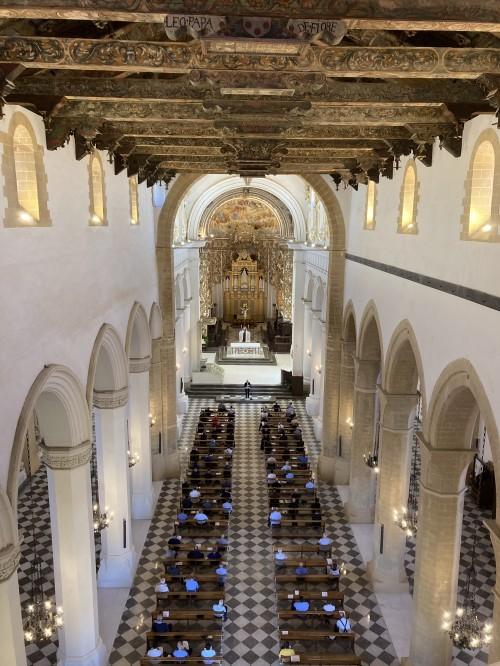
- Features significant Norman architectural elements in its ceiling
- Located in historic center of Agrigento with archaeological significance
What is Chiesa di Santa Maria dei Greci in Agrigento?
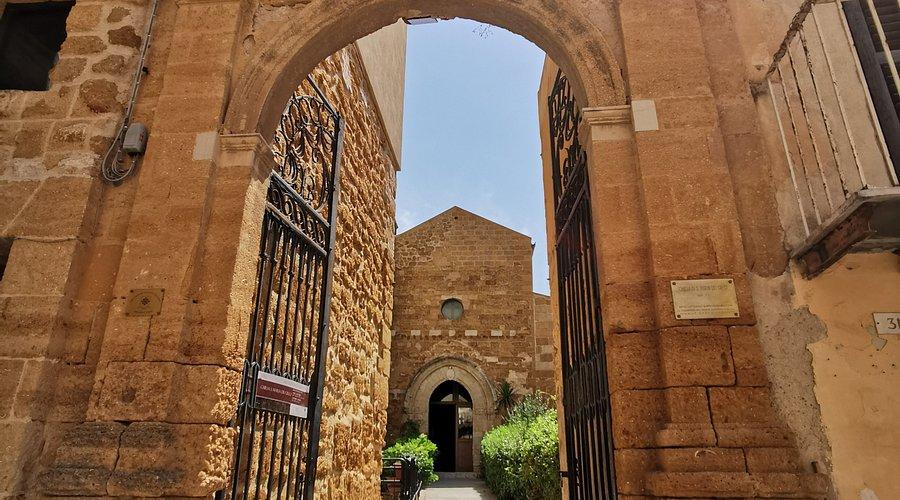
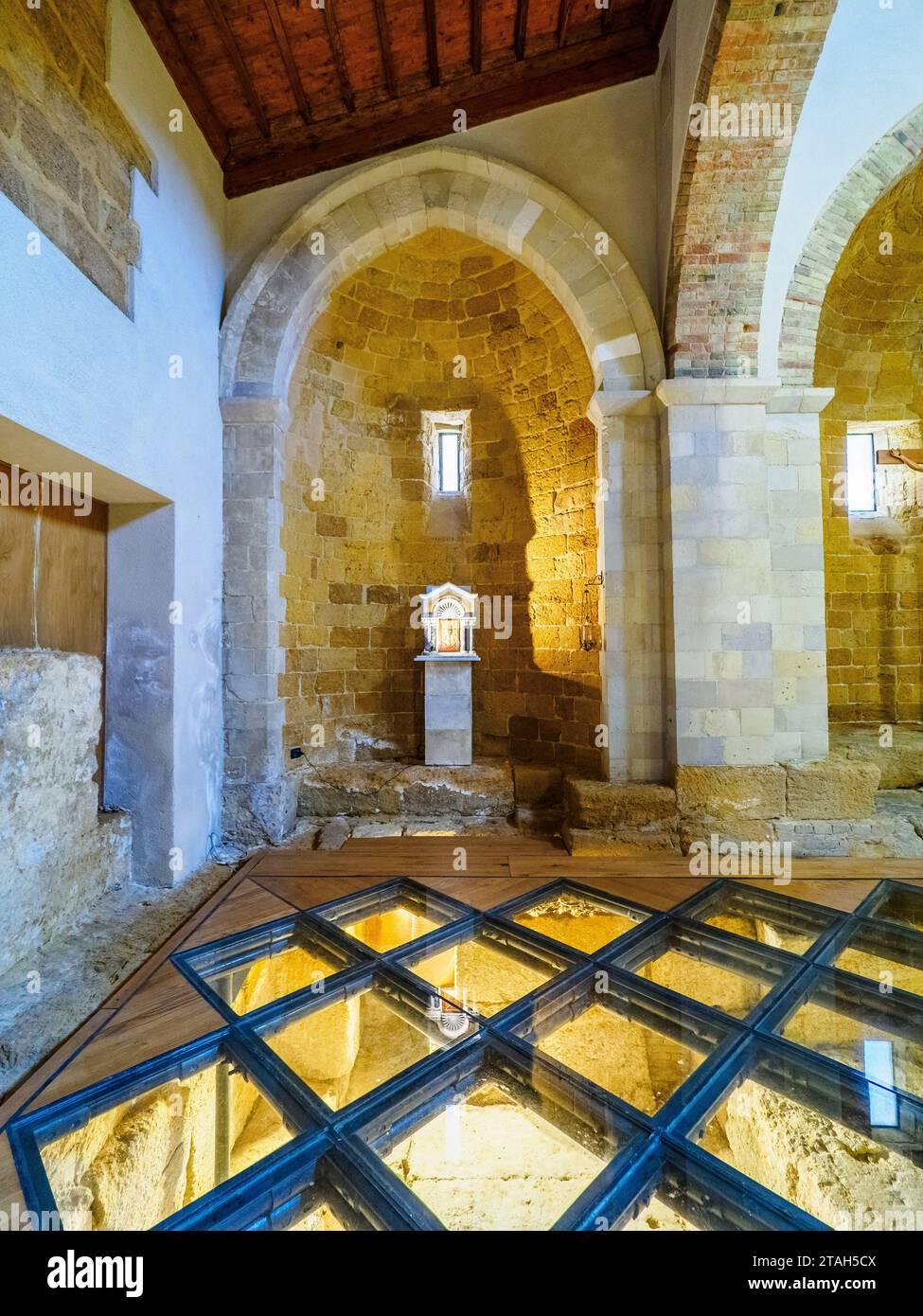
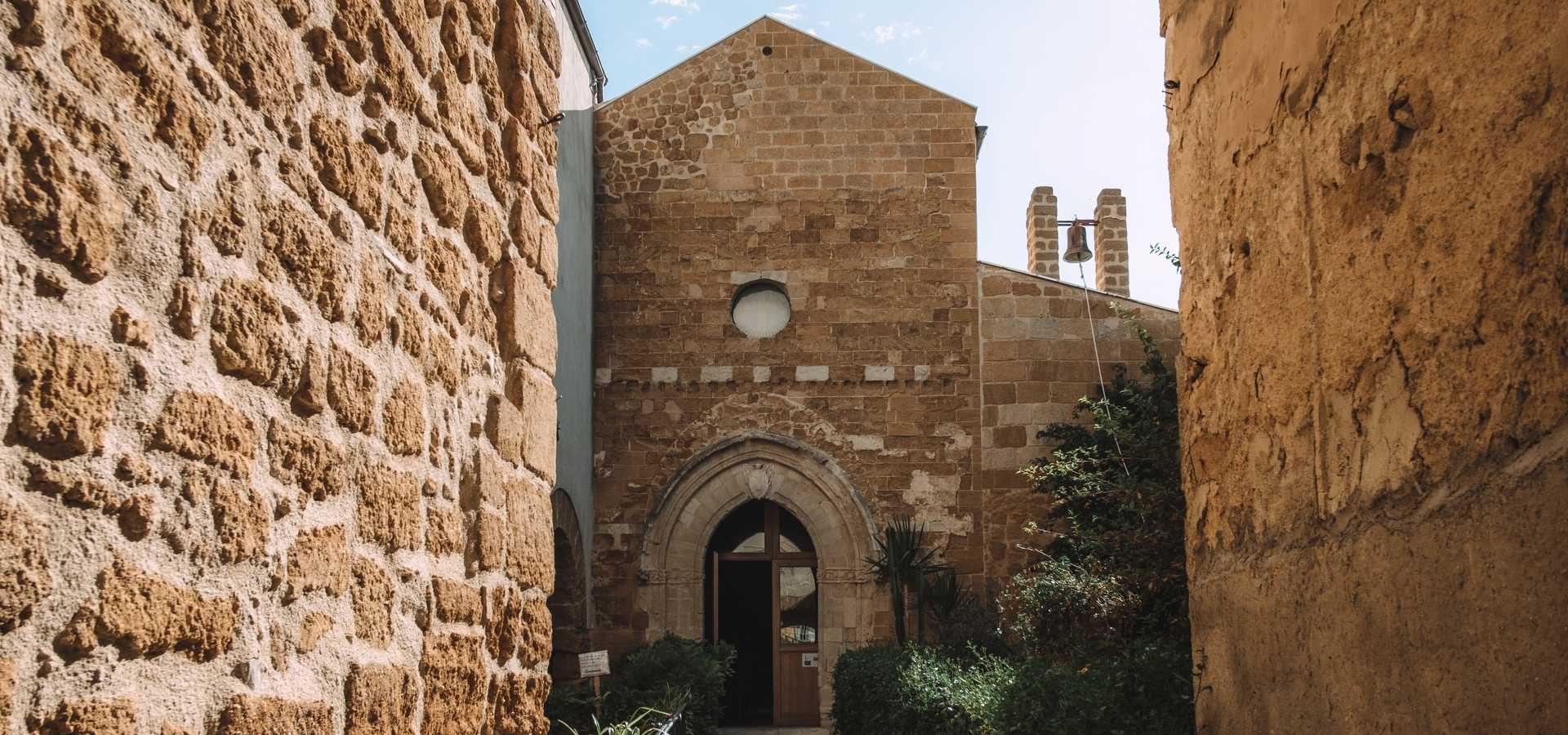
Tucked away in the historic center of Agrigento, Chiesa di Santa Maria dei Greci is a compact architectural time capsule that draws history buffs and curious travelers. This small church sits on ground steeped in layers of cultural history, literally built atop a 5th-century Doric temple dedicated to Athena. Tourists interested in archaeological sites and religious architecture find this spot fascinating because it represents a physical timeline of Sicily's complex cultural transformations. The church attracts moderate numbers of visitors, particularly those exploring Agrigento's rich historical landscape. Inside, travelers can spot remnants of different historical periods - damaged Byzantine frescoes hint at medieval artistic traditions, while original Greek column traces and a preserved Norman ceiling showcase the site's architectural evolution. Unlike massive cathedrals, this church offers an intimate glimpse into Agrigento's architectural and religious heritage, making it a quiet but significant stop for travelers who appreciate nuanced historical sites. Photography enthusiasts appreciate the church's intricate architectural details and the way different historical elements are preserved within a single space. Located near other historical attractions in Agrigento's city center, the church serves as a perfect short stop for travelers wanting to understand the layered historical narrative of this Sicilian city.
Top things to do at Chiesa di Santa Maria dei Greci
- Examine the rare Byzantine frescoes, carefully noting their historical damage and artistic details
- Study the architectural transition points where Greek temple columns meet Norman church architecture
- Photograph the preserved Norman ceiling, capturing its unique medieval craftsmanship
- Trace the archaeological layers showing how a Doric temple transformed into a Christian church over centuries
- Compare the original Greek architectural elements with later Christian modifications throughout the church space
- Request a local guide or audio guide to explain the complex historical transformations of this site
Tickets and Entry
Entry to Chiesa di Santa Maria dei Greci is typically free, but donations are appreciated. No online ticket purchasing is required. Small groups can enter directly from Via Atenea. Individual travelers should check current local tourism office guidelines for any potential entry restrictions or seasonal changes.
Dress Code
As an active Catholic church, modest dress is expected. Visitors should cover shoulders and knees. Avoid wearing shorts, sleeveless tops, or revealing clothing. A light scarf or shawl can be helpful for quick coverage if needed. Photography inside the church is generally permitted but without flash.
History of Chiesa di Santa Maria dei Greci
- 5th century BCE: Original Doric temple dedicated to Athena constructed on this site
- Medieval period: Christian church built over the ancient Greek temple site
- Norman era: Significant architectural modifications, including ceiling construction
- Byzantine period: Frescoes added to the church interior
- Present day: Preserved as a historical and religious landmark showcasing multiple architectural periods
Cultural Significance
Chiesa di Santa Maria dei Greci represents Agrigento's complex cultural heritage, embodying layers of Greek, Norman, Byzantine, and Christian architectural and religious traditions. The church symbolizes the continuous cultural transformation of Sicily, demonstrating how different civilizations built upon and respected previous architectural foundations.
Tips for Visitors
- Visit during morning hours for best natural lighting inside the church
- Bring a small notebook to sketch architectural details
- Wear comfortable walking shoes as the church is in a historic area with uneven streets
- Consider hiring a local guide to understand the architectural layers
- Allocate approximately 30-45 minutes for a thorough visit
- Combine visit with nearby Valle dei Templi archaeological site
What are some interesting facts about Chiesa di Santa Maria dei Greci?
- Local historians claim the church's foundations contain stones directly from the original Doric temple, making each stone a piece of 2,500-year-old archaeological evidence
- The church was strategically built to 'Christianize' the previous Greek religious site, symbolically transforming a pagan temple into a Christian worship space
- Some of the Byzantine frescoes inside have unique restoration marks that art historians use to study medieval conservation techniques